
It depends on the type of defect and when it was discovered. Inspection periods range from one year to seven years, depending on the type of defect, and are 20 years for a fundamental non-conformity in the structural frame (Sale (Apartments) Law, section 4 and the Schedule). The seven-year limitation period also applies (Limitation Law, section 5). Because the time limits differ from one element to another, every case should be reviewed as early as possible.
Construction Defects Lawyer in Israel
Did you receive an apartment with damp, cracks or faulty flooring? A construction defect is a non-conformity between the apartment as delivered and the specification, the contract or the standards. The Sale (Apartments) Law requires the contractor to repair a defect discovered during the inspection period, after the buyer has given notice of it and given the contractor a reasonable opportunity to repair.
If the repair is not made, a construction defects lawyer can sue on your behalf for repair of the defects or for monetary compensation, usually on the basis of an engineer's expert opinion.
Under section 4 of the Sale (Apartments) Law, 5733-1973, the seller has not fulfilled its obligations where the apartment differs from the specification, from an official standard or from the building regulations, or where a non-conformity is discovered in it within the inspection period. Under section 4B of the same Law, the buyer must give the developer a reasonable opportunity to repair, and the developer must carry out the repair within a reasonable time.
Construction defects in a 30-second video

The video loads from YouTube only after you click. Go to the video page and transcript
In the video: Found defects in a new apartment? Document them and notify the developer in writing, within the inspection period. Under the law, the developer has an opportunity to repair, and if the repair is not done properly you can claim compensation. An engineer's report is the basis of the claim: it determines the extent of the defects and the cost of repair.
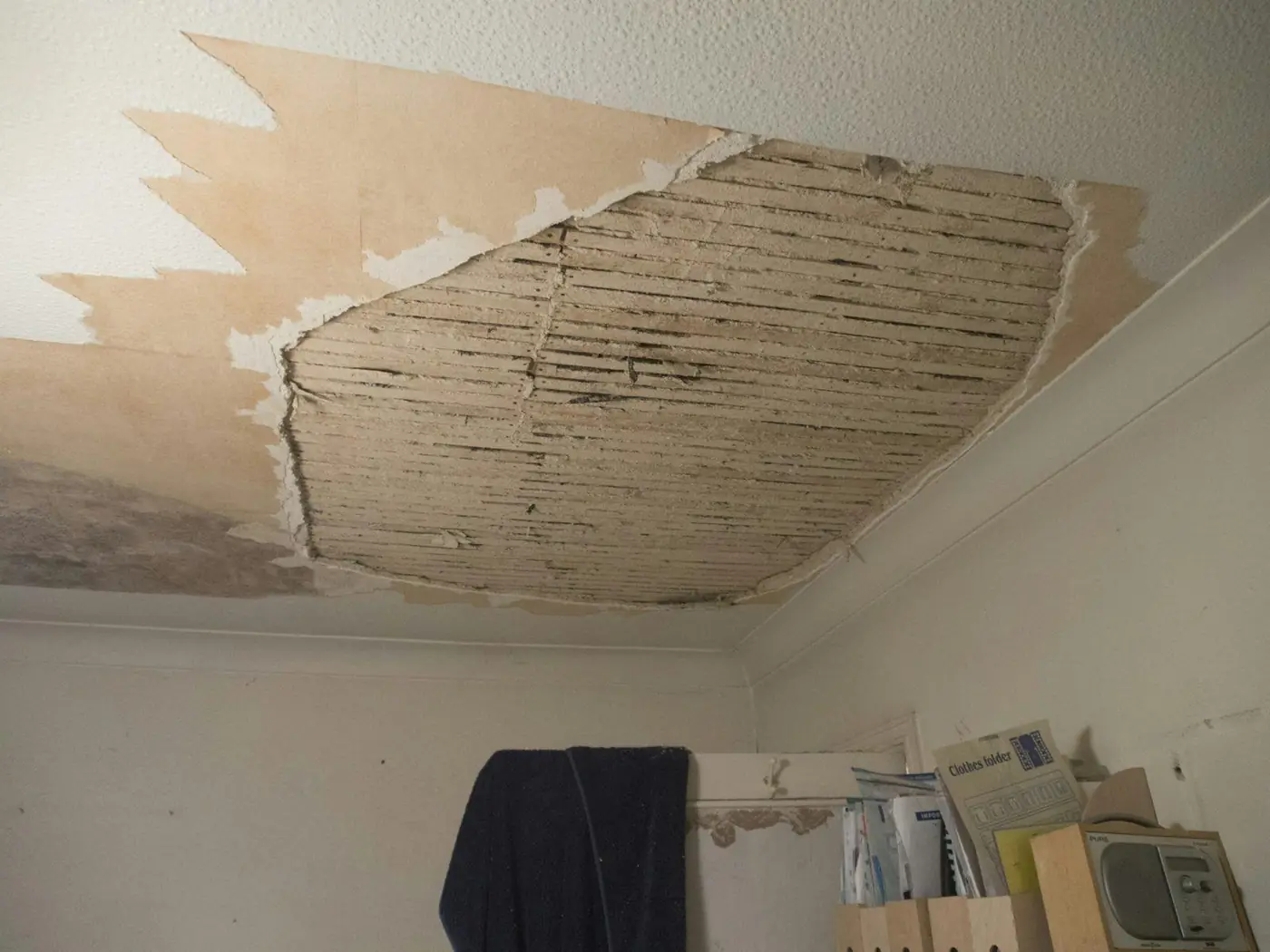
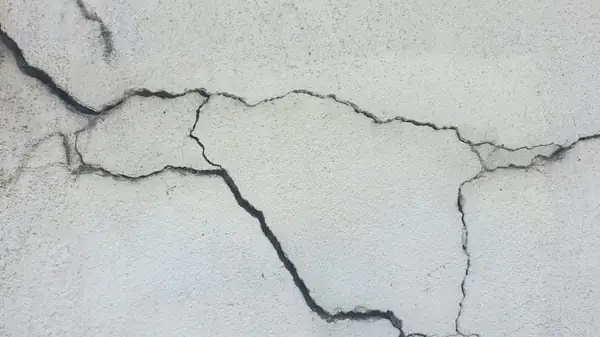
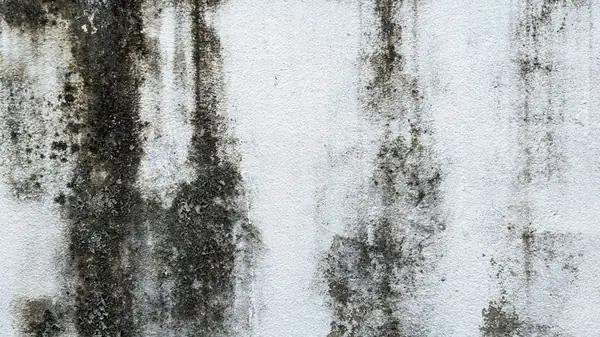
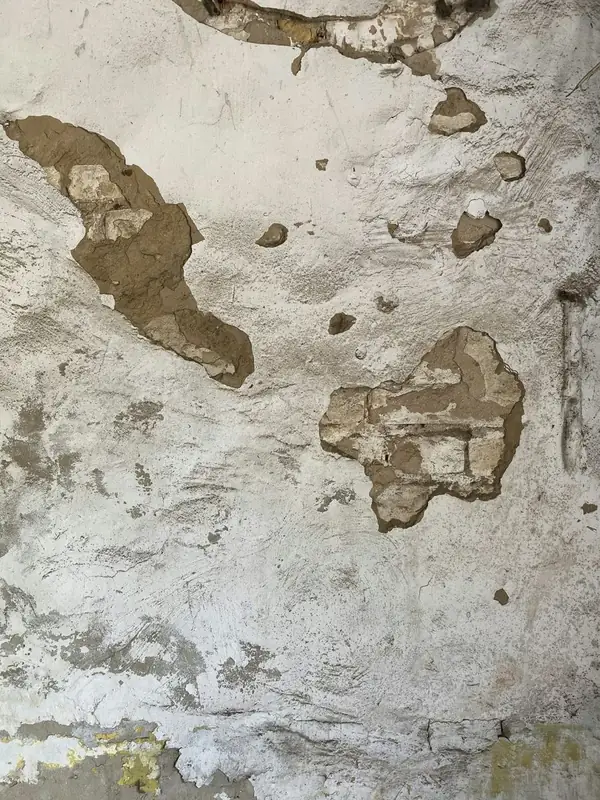
When do you need a lawyer for construction defects?
When the contractor does not repair defects found after handover, when a defect returns after a repair, when you are asked to sign a waiver, or when the inspection or limitation period is about to end. In these situations, check the documents and deadlines before any step with the contractor.
- When defects were discovered in a new apartment after handover, and the developer is not dealing with them.
- When a defect recurs after the developer has already repaired it.
- When the developer asks you to sign a waiver or a "completion of repairs" confirmation.
- When the defects are in the common property, and the residents' representative committee needs to act on behalf of all the residents.
- When damp or another defect has been discovered in a second-hand apartment and the seller did not disclose it.
- When the inspection period or the limitation period is about to expire.
Construction defects: tools and guides
Where do you start? Find your situation in the table and continue to the matching guide.
| Situation | Guide | First step |
|---|---|---|
| You found a defect in a new apartment bought from a developer | Found a defect in your new apartment | Document it at once and notify the developer in writing, within the inspection period |
| You need to send the developer a proper notice | Notice letter generator | Generate a letter and send it in a way that lets you prove delivery |
| Not sure whether there is still time | Inspection and warranty period calculator, Limitation | Check the inspection period and the limitation date for each defect |
| Damp or water ingress | Dampness in a new apartment | Locate the source of the damp before repairing |
| The developer does not repair, or the defect returns | Repair or compensation | Check whether the developer has lost the right to repair |
| You want to know what you can claim for | Engineering expert opinion, How much compensation | Order an expert opinion that sets out the defects and the cost of repair |
| Defects in the common property | Representative body's claim | Act through the representative body of the condominium |
| A leak from the apartment above | A leak from the upstairs neighbour | Document it, write to the neighbour and order an inspection of the source |
| Second-hand apartment | Defects in a second-hand apartment | Check what the seller knew and what the contract says |
| The apartment is in a particular city in the centre or the Sharon | Construction defects by city | New neighbourhoods and the competent court in each city |
| The apartment is smaller than promised or differs from the specification | The apartment is smaller than promised | Compare the specification and the plans with what was delivered |
- Inspection and warranty period calculator: enter the delivery date and see, for each type of defect, when the inspection and warranty periods end.
- Notice letter generator: a structured notice to the contractor under section 4A of the law, ready to print or send.
- Dampness in a new apartment: where it comes from, and until when you can demand a repair.
- Repair or compensation: when the contractor loses the right to repair.
- Complaint to the Registrar of Contractors: when the contractor does not repair, a disciplinary route with no filing fee, and what the Registrar can and cannot do.
- Did not let the contractor repair?: a 2026 Supreme Court ruling held that compensation is reduced to the contractor's repair cost, not denied.
- Building standards: when a standard binds the contractor, and what applies when there is none.
- Arbitration clause in the contract: the Supreme Court held in 2026 that the arbitrator must apply the Sale (Apartments) Law.
- Limitation in construction defects claims: how long you can sue, and what happens when a defect is discovered late.
- How much compensation: repair cost, VAT, engineering supervision, loss of value and mental distress.
- The apartment is smaller than promised: gross, net, and when the brochure is binding.
- Defects in a second-hand apartment: when you can sue the seller, even when it was sold AS IS.
- Engineering expert opinion: what it must contain, and when to order one.
- Found a defect in your new apartment: the two periods, the notice and the deadlines.
How the work proceeds
A defects case goes through four stages: reviewing the documents and deadlines, an engineering opinion, a written demand that gives the contractor an opportunity to repair, and, if no settlement is reached, a claim in court.
- Review of documents and time limits. Reading the contract, the specification and the handover protocol, and reviewing the documentation and the notices sent to the developer. At this stage we already check which defects are still within the inspection period and which time limits apply.
- Engineer's report. An opinion from an engineer or another qualified professional, setting out the defects, their cause and the cost of repair. It is the basis for the demand and for the claim.
- Written demand and an opportunity to repair. A properly drafted letter to the contractor or developer, enclosing the report and demanding repair within a reasonable time. Under section 4B(b) of the Sale (Apartments) Law, if the defect recurs within two years of a repair, or an urgent repair is not carried out within a reasonable time, the buyer may carry out the repair and the developer bears the costs.
- Negotiation or legal proceedings. An attempt to reach a settlement for actual repair or compensation and, if that fails, a claim in court, conducted through to judgment.
Initial review of the documents: send the engineering opinion, the handover protocol or your correspondence with the developer, and we will get back to you with an assessment of the legal position and the deadlines. The information you send is kept confidential. The initial review does not commit you to proceed, and representation begins only after a fee agreement is signed.
A construction defect affects both your quality of life and the value of the property
Construction defects take many forms: damp and water ingress, cracks in walls, faulty flooring, waterproofing problems on the roof or balcony, failures in the electrical and plumbing systems, inadequate acoustic insulation, and non-conformity between the apartment as delivered and the specification, the plans or the mandatory standards.
Beyond the day-to-day nuisance, an untreated defect reduces the value of the property and makes it harder to sell. The more time passes, the harder it also becomes to prove the cause of the defect and to stay within the inspection and warranty periods.
What do you do when you discover a defect?
Document the defect immediately, notify the contractor in writing, give the contractor an opportunity to repair, obtain an engineer's opinion and check the inspection and limitation deadlines. This order protects your rights and the amount of compensation.
- Document it immediately: dated photographs, videos, and a record of when the defect appeared and how it has developed.
- Give written notice: written notice to the contractor or developer, which preserves your rights and records the date of discovery and the demand for repair.
- Allow an opportunity to repair: in many cases the developer is entitled to carry out the repair itself, and giving it that opportunity also matters legally.
- Obtain an expert opinion: an opinion from an engineer or an appraiser, setting out the defects, their cause and the cost of repair.
- Check the time limits: the inspection and warranty periods, and the limitation period, directly affect what can be claimed.
Before you sign a waiver or a settlement
Do not sign without checking what you are giving up. Developers sometimes offer compensation, for example for late delivery, in return for a "settlement and discharge" document or a "completion of repairs" confirmation, and broad wording may also cover defects that have not yet appeared.
The law gives partial protection. Under section 7A(b) of the Sale (Apartments) Law, a buyer's waiver of rights relating to a non-conformity, made a condition for carrying out repairs or for handing over the apartment, is void, even if signed in writing. For contracts signed from 7 July 2022 this protection also covers a waiver relating to late delivery. But a settlement signed voluntarily, not as a condition for receiving the apartment or a repair, may be binding. So before signing, check exactly what the waiver covers: only the compensation for the delay, or also defects that will appear during the inspection period.
The engineer's report is the heart of the case
In a construction defects claim, the decision rests in most cases on the opinion of an engineer or another qualified professional. The quality of that opinion, the way it is presented, and the ability to deal with the opposing party's opinion and with a court-appointed expert are what determine the outcome.
Familiarity with the engineering material itself, not only with the legal procedure, makes it possible to work effectively with the engineer, to sharpen the right issues, and to cross-examine the opposing party's expert witness on technical rather than general grounds.
The right professional for each type of defect. The office works with professionals from different fields and chooses the one suited to the defect: building and structural engineers, architects, waterproofing consultants, electrical and plumbing consultants, soil and geotechnical consultants, aluminium and glazing consultants, real estate appraisers, surveyors, noise consultants, leak detection professionals, and laboratories testing materials and mould. Each defect is examined by someone who deals with it, and the opinion is prepared from the outset to be submitted to the court and to withstand cross-examination.
What to claim: actual repair, monetary compensation, or both
You can claim that the contractor carry out the repair (a mandatory injunction), claim monetary compensation and have the work done by a professional of your choice, or combine the two. In most cases the solution combines both, and each defect is examined on its merits.
In a construction defects claim you can ask for two different remedies: a mandatory injunction, which requires the contractor to carry out the repair itself, and monetary compensation, where you repair through a professional of your choice. Under Section 3 of the Contracts (Remedies for Breach of Contract) Law, 5731-1970, the injured party is entitled to enforcement of the contract, subject to exceptions, such as a contract that cannot be performed or enforcement that would require unreasonable supervision. In most cases the right answer combines the two, and each defect is examined on its own merits.
When is it better for the contractor to do the repair (a mandatory injunction)?
- The repair goes through other apartments or through the common property. A leak that comes from the apartment above, shared plumbing, roof or facade sealing. Whoever receives money will have to arrange access to the neighbours' apartments, bear responsibility for any damage caused there and get into a dispute with them. Few owners want to take on a repair in a neighbour's apartment or in the common area. The contractor, by contrast, is bound towards all the buyers, and in many sale agreements the buyers undertake to let it in to carry out repairs.
- The source of the defect is unclear, or the defect keeps coming back. With damp that has several sources, responsibility for the repair succeeding should stay with whoever built. A sum awarded on the basis of an estimate does not guarantee that the repair will work.
- Responsibility for the repair itself. When the contractor repairs under the supervision of a court-appointed expert, a follow-up inspection after the winter and a warranty period on the repair can be set. When you repair yourself with the money awarded, the risk that the repair fails passes to you.
- Money does not deliver what was promised. Connection to a shared building system, or bringing the apartment in line with the specification where that requires work on the building's systems, are things only the builder can properly carry out.
- An uncertain estimate. In a complex repair, the sum awarded on the basis of the expert opinion may not be enough in practice, and the difference falls on you.
- Avoiding further litigation. A supervised repair, with the expert reporting to the court that the work is complete, closes the dispute. Compensation that turned out to be insufficient may lead to another proceeding.
When is monetary compensation better?
- The contractor has already tried and failed. Under Section 4B(b) of the Sale (Apartments) Law, where the defect recurred within two years of the notice, or an urgent repair was not carried out within a reasonable time, the buyer may repair it at the seller's expense.
- The defects are only inside the apartment, and a professional of your choice will do the work better and on a schedule that suits you.
- The contractor is in financial difficulty or is no longer active.
- Trust has broken down, and there is no point in letting the contractor into your home again.
- A building committee that prefers to manage the repairs to the common property itself, with a contractor and supervisor it chooses.
Some components are always monetary: distress, loss of value, alternative housing during the repairs, expert costs and expenses you have already paid.
Heads of damage: what else can be claimed besides the cost of repair
- VAT and engineering supervision. VAT is part of the cost of repair (Civil Appeal 1772/99 Zlotsin v. Dior La'Oleh), and engineering supervision is awarded where the expert found that the repair requires supervision. Both are awarded without requiring the buyers to actually carry out the repair (Civil Appeal 8949/07 Achim Ezra Building Company v. Zeev).
- Revaluation of the cost. The expert's estimate is correct as of the date it was given, so it is revalued from the date of the expert opinion until payment (Civil Case (Tel Aviv Magistrates) 33136-11-21 Peri v. Gindi Group, 2026).
- Distress. There is no tariff. The court weighs the nature of the property, the nature and severity of the defects, their effect on daily life in the apartment, the conduct of the parties and the cost of repair, and the compensation need not be proportionate to the cost of repair (Civil Appeal 611/89 Drucker v. Nachmias; Civil Appeal 6540/05 Solel Boneh v. Abramovitch).
- Loss of value. Awarded where the defect cannot be fully repaired, or where the apartment is smaller than promised (Civil Appeal 8949/07). "Stigma" loss of value after a full repair is awarded only in exceptional cases and with proof in an appraiser's opinion (Civil Case (Rishon LeZion Magistrates) 747/08 Weinstein v. Shaouat, 2015).
- Alternative housing, loss of use and lost rent. Awarded where it is proved that the apartment could not be lived in or let during the defects or the repairs, usually according to the court expert's findings and with evidence such as rental agreements.
- Costs. Expert opinions, the court expert's fee, the court fee and legal fees. Where the claim was necessary to bring about the repair, the court may award actual costs (Regulation 152 of the Civil Procedure Regulations).
Full details, with the case law for each component, in the article How much compensation is awarded in a construction defects claim.
What does a combined claim look like?
- A mandatory injunction for the defects in the neighbours' apartments, in the common property and in the building's systems, drafted in detail, together with a request to appoint a court expert to determine how the work is done and to supervise it.
- Monetary relief for the defects inside the apartment and for the monetary components.
- A deadline for the work, a follow-up inspection after the repair, and a request that if the repair is not done on time the contractor be charged its cost.
Detail matters. The court avoids orders "whose execution is shrouded in fog" (Civil Case 63799-07-22, para. 29), so a good mandatory injunction defines what is repaired, how, by when and under whose supervision. For the same reason, where the defect originates in a neighbour's apartment, it is worth joining the neighbour to the claim as well.
Conducting the proceedings
The office represents apartment buyers, property owners and condominium representative committees against contractors and developers: from the first letter and the negotiations, through the choice of engineer and the drafting of the statement of claim, to the conduct of the evidentiary hearings and the cross-examination of the expert witnesses in court or before the Superintendent of Land Registration, depending on the appropriate forum.
In suitable cases, and particularly in condominium representative committee cases, conducting a single claim on behalf of all the residents reduces costs and strengthens the bargaining position against the developer.
The developer usually comes with regular lawyers and its own experts. Where there is no fair settlement, the case is pursued to a decision: filing the claim, hearings, evidence and cross-examination of the other side's expert. Examples of outcomes appear in the next section.
Rulings and settlements from the firm's cases
Cases in which Adv. Amos Ilan acted, according to what was decided in them. Names are not given for settlements that were not published. Each case turns on its own facts and documents, and the outcome of one case does not guarantee the outcome of another. Each case is presented in the same structure: the problem, the other side's position, the strategy we chose, and the outcome.
- Civil Case (Tel Aviv Magistrates) 63799-07-22 Beck v. Anshei Ha'ir Projects Ltd, partial judgment of 11.2.2026 (Judge Ron Goldstein).
The problem: The specification promised to connect the apartment to a shared solar water system, and the apartment was not connected.
The other side's position: The developer argued that the undertaking in the specification was a clerical error, and that there was an engineering obstacle to the connection.
The strategy: We insisted on a mandatory injunction, that is, on an actual connection rather than compensation. In cross-examination, as quoted in the judgment, the defendant's expert admitted that he is not a plumbing expert and did not inspect the roof. We deliberately waived minor defects whose repair cost was negligible, to keep the case focused on the connection.
The outcome: The court rejected both arguments, held that there is a non-conformity under section 4(a) of the Sale (Apartments) Law, and ordered the appointment of an expert to determine how the connection is to be made. The proceeding continues as to how it is carried out. - Civil Case (Bat Yam Magistrates) 11667-08-20 Sagi v. Gindi Holdings Development Ltd, 20.3.2025 (Deputy President Ronit Ophir).
The problem: Leaks into a new apartment from the apartment above it.
The other side's position: The contractor argued that it could not repair because the owners of the upper apartment did not let it in and also carried out works that damaged the waterproofing, so the responsibility was theirs alone.
The strategy: We sued both the contractor and the neighbours, so that neither could shift the responsibility to the other. Within the proceeding a court expert was appointed, and the contractor carried out repairs in several rounds under his supervision until all the damp spots were fixed.
The outcome: The expert set a three-year warranty from the winter of 2023-2024, and the parties agreed to give this the force of a judgment. The court held that the contractor is liable even when the neighbours do not cooperate, because it took no legal steps against them, and ordered the contractor and the neighbours, jointly and severally, to pay costs of NIS 48,747. - Tel Aviv District Court, partial judgment of 2021.
The problem: The sellers split a two-storey apartment they owned into two apartments, with a valid permit, and sold the lower one. The buyer discovered recurring damp originating in the upper apartment, which remained the sellers' property, and which they had not disclosed to him.
The other side's position: The sellers argued that the defects were minor to moderate and mostly repaired, that nothing was concealed because there had been only one leak that was fixed, that the buyer inspected the apartment himself before the purchase, and that the cancellation claim was raised years too late.
The strategy: Before we took over the representation, the buyer, worn out by the proceedings, sought to cancel the transaction. On the court's recommendation he waived cancellation, and instead the parties agreed on a deciding expert, who determined what is repaired and how, who carries out the repair, and supervised the work. The loss of value was separated from the repair and examined in an appraiser's opinion.
The outcome: Most of the repair was carried out in the upper apartment, followed by cosmetic repairs in the buyer's apartment. The sellers bore the cost of the repairs and the expert's fee, and it was agreed that if the defect recurs within six months, the parties return to the expert at the sellers' expense. The buyer received compensation for the loss of value. The court noted that the house committee is expected to cooperate with repairs to the common property (Defects in a second-hand apartment). - Tel Aviv Magistrates Court, 2024.
The problem: A leak into the client's apartment from the balcony of the neighbour above.
The other side's position: The neighbour argued that the water was penetrating through the building's external cladding, which is common property, and not from the balcony, which is roofed and dry; that the house committee had not been joined to the claim; and that the leak detection report we filed was wrong.
The strategy: We asked for a court expert to be appointed at the very start of the proceeding, so that he, rather than a party's opinion, would determine where the water came from. After mediation, a staged arrangement was built: first a repair at the neighbour's, then a follow-up test confirming that it succeeded, and only then a repair in the client's apartment.
The outcome: The neighbour undertook to carry out the repairs in his apartment according to the expert's opinion within 30 days, and paid NIS 20,182: the expert's fee, the mediator's fee and the court fee, and partial compensation towards legal fees (case details). - Bat Yam Magistrates Court, 2022.
The problem: Waterproofing defects and damp in an apartment in a strengthening and building project, including a leak into the apartment below. For several years only partial repairs were made.
The other side's position: No statement of defence was filed. Even before the claim, the company acknowledged some of the defects, in a document signed at handover and in a joint expert opinion that it had commissioned itself.
The strategy: The joint opinion obtained before the claim prevented the company from denying the defects. We sued for a mandatory injunction and the appointment of an expert, not just for money, and asked both for the leak into the apartment below to be repaired and for the client's roof garden to be protected.
The outcome: An arrangement with the force of a judgment, even before a pre-trial hearing: the company undertook to repair all the defects under the supervision of an engineer appointed as court expert, who determined how the work is done, to bear liability under the Sale Law and in any case for at least three winters from the approval of the repairs, and paid NIS 20,000 towards part of the costs and legal fees (case details). - Rishon LeZion Magistrates Court, 2017.
The problem: A dispute between neighbours over a shared sewage line running through the clients' yard, on a plot of detached houses in Rehovot.
The other side's position: The neighbours argued that the plot is jointly owned, that the works were done in accordance with the permit and the municipality's instructions, and that the clients themselves had agreed to the line passing through. The municipality, which was also sued, argued that the court has no jurisdiction over permits.
The strategy: We joined the case while it was under way. In cross-examining the court expert, the weak points of his opinion were exposed, including the gradient of the line. The neighbours then offered to carry out an actual repair, assuming it would cost less than the expert's estimate, which in our view did not reflect the scope of the work. We agreed at once: an actual repair, at their expense and under the expert's supervision, was exactly what the clients needed.
The outcome: The judgment gave effect to the agreement: the neighbours inspect the line according to the court expert's opinion, replace the inspection chamber and the line as the expert determines, and restore the previous state, all at their expense and under the expert's supervision. The expert was also authorised to determine compensation for loss of use of the house during the works. - Civil Case (Bat Yam Magistrates) 2520-01-17, judgment of 14.12.2021 (Judge Yair Chasdiel).
The problem: The committees of three buildings in Rehovot and about 100 buyers against the developer, over defects in the common property.
The other side's position: The company argued that the common property had been handed over to the committee with an orderly protocol, that these were at most cosmetic defects mostly repaired during the warranty period, and that some were caused by poor maintenance. It also tried to shift responsibility to the executing contractor.
The strategy: We sought a partial judgment based on admissions by the executing contractor's expert, and filed urgent applications for works involving danger, for example a hole that opened next to a playground. In a partial agreement it was agreed to replace the intercom system in the three buildings in stages, under the court expert's supervision. After repeated failed repair attempts, the committees no longer trusted the company, so they signed in advance an option agreement with an executing contractor, conditional on receiving the money from the company. This secured full funding for the repair.
The outcome: The proceeding ended in a settlement given the force of a judgment, in which the company paid the committees NIS 2,978,750, and the committees undertook to carry out the repairs to the common property according to the court expert's opinion (case details). - Civil Case (Tel Aviv Magistrates) 40132-06-17 House Committee of 21 Carmel Street, Rehovot et al. v. Electra Construction Ltd et al., judgment of 30.10.2024 (Judge Lior Gelbard; full judgment, PDF in Hebrew).
The problem: The house committee and 52 of the apartment owners in a new building in Rehovot found many defects in the common property, including damp in the car park.
The other side's position: The company argued, among other things, that the shade differences in the stone cladding are natural and not a defect, that the plaintiffs' expert overestimated the repairs, and that no monetary compensation may be awarded in a claim filed for mandatory injunctions.
The strategy: We claimed a mandatory injunction, that is, an actual repair, against the contractor, and alongside it against the supervisor, the architect and the engineer. The court expert inspected the building and wrote a 138-page opinion, and the parties agreed on a procedural arrangement setting out what the court would decide and how.
The outcome: The contractor was ordered to complete the repairs according to the court expert's instructions and under his supervision, and to pay the plaintiffs' proven costs, including about NIS 121,000 in legal fees, with linkage and interest, plus NIS 15,000 for the residents' time and effort, partly because of the company's "foot-dragging". The architect was ordered to repair the defects within his responsibility. The court rejected compensation for loss of value, because no appraiser's opinion was filed, and compensation for distress, because no evidence was given of the defects' effect on the residents' lives. A claim of crumbling stone was also rejected, because it did not appear in the opinion attached to the claim. The plaintiffs were ordered to pay the architect NIS 20,000 in costs.
In the media
Amos Ilan, Advocate, was interviewed for a ynet article on construction defects in apartments: "Suffering from construction defects in your apartment? Here is how to sue and obtain compensation" (ynet Economy, 5 February 2021). In the article he explained the developer's liability, the documentation of defects and the importance of the engineer's report in a claim.
What should you bring to the meeting?
Bring the sale contract and specification, the handover protocol, dated documentation of the defects, the correspondence with the contractor, and an engineering opinion if one has already been obtained.
- The sale contract, the specification and the rider of amendments.
- The handover protocol.
- Documentation of the defects: dated photographs and videos.
- All correspondence with the developer or its service company.
- The engineer's report, if one has already been commissioned.
- In a condominium: the minutes of the general meeting at which the representative committee was elected or the claim was approved.
Timeline and cost
A defect that could have been found at handover must be reported to the contractor within one year, and a hidden defect within a reasonable time after it was discovered. The inspection period depends on the type of defect, and for the building's structure it is 20 years. The limitation period for a monetary claim is seven years.
Timing: at the first conversation you receive an initial assessment of the situation. If the documents are sent in advance, the assessment is better informed. A non-conformity that could have been discovered at handover must be notified to the developer within one year of handover, and a non-conformity that could not have been discovered on a reasonable inspection, within a reasonable time after it was discovered (section 4A of the Sale (Apartments) Law). The inspection periods are set in the Schedule to the Law according to the type of defect (see the table below), and a fundamental non-conformity in the structural frame of the building has an inspection period of 20 years (section 4(a)(4)). The limitation period for a monetary claim is seven years (section 5 of the Limitation Law, 5718-1958), and in certain circumstances it begins to run only from the date of discovery (section 8 of the same Law).
| Type of defect | Inspection period |
|---|---|
| Frames and joinery, including aluminium and plastic | Two years |
| Interior flooring and cladding, including subsidence and wear | Two years |
| Machinery and boilers; yard landscaping; thermal insulation | Three years |
| Pipework, including leaks; waterproofing of the building | Four years |
| Cracks wider than 1.5 mm in non-load-bearing elements | Five years |
| Detachment, peeling or crumbling of external cladding | Seven years |
| Any other non-conformity that is not fundamental | One year |
Cost: the fee is set in a written fee agreement, after the case has been reviewed. Court fees, expert opinions and other expenses are paid separately. In many cases the cost of the report can be claimed back as part of the damages.
Actual repair or financial compensation: a comparison
Repair by the contractor usually suits isolated defects when the contractor cooperates. Monetary compensation suits cases where earlier repairs failed or trust has broken down. The table sets out the differences.
| Subject | Actual repair by the developer | Financial compensation |
|---|---|---|
| Who carries out the repair | The developer, under supervision and to a binding timetable | You, through a tradesperson of your choice |
| Usually suitable | For isolated defects, where the developer cooperates | Where previous repairs have failed or trust has broken down |
| Legal basis | Section 4B(a): a reasonable opportunity to repair | Section 4B(b), with the cost of repair based on the report |
| What else can be claimed | A timetable and professional supervision | Sometimes also diminution in value, alternative accommodation and distress |
| A repair that goes through other apartments or the common property | Suitable: the contractor or the neighbour repairs, under expert supervision | Less suitable: you have to coordinate with the neighbours and bear responsibility for the work in their homes |
Contact us to review your case
If defects have been discovered in your apartment or building, it is worth checking the legal position before the time limits expire. We will be glad to go through the documentation with you and explain the options.
Tool: the warranty and inspection period calculator (in Hebrew) shows, for each type of defect, until when the contractor is liable under the Sale (Apartments) Law.
Construction defects by city
Each city has a page with the neighbourhoods where new apartments are being handed over and the court in which the claim is filed.
- Construction defects in Ashdod
- Construction defects in Azor
- Construction defects in Bat Yam
- Construction defects in Be'er Ya'akov
- Construction defects in Beit Dagan
- Construction defects in Bnei Brak
- Construction defects in Even Yehuda
- Construction defects in Gan Yavne
- Construction defects in Gedera
- Construction defects in Givat Shmuel
- Construction defects in Givatayim
- Construction defects in Herzliya
- Construction defects in Hod HaSharon
- Construction defects in Holon
- Construction defects in Kadima-Tzoran
- Construction defects in Kfar Saba
- Construction defects in Kiryat Ekron
- Construction defects in Kiryat Ono
- Construction defects in Kochav Yair-Tzur Yigal
- Construction defects in Lod
- Construction defects in Mazkeret Batya
- Construction defects in Modi'in-Maccabim-Re'ut
- Construction defects in Ness Ziona
- Construction defects in Netanya
- Construction defects in Or Yehuda
- Construction defects in Petah Tikva
- Construction defects in Ra'anana
- Construction defects in Ramat Gan
- Construction defects in Ramat HaSharon
- Construction defects in Ramla
- Construction defects in Rehovot
- Construction defects in Rishon LeZion
- Construction defects in Rosh HaAyin
- Construction defects in Shoham
- Construction defects in Tel Aviv-Yafo
- Construction defects in Tel Mond
- Construction defects in Yavne
- Construction defects in Yehud-Monosson
Questions and answers
How long do I have to sue for construction defects?
How long does a construction defects claim take?
There is no uniform duration. It depends on the number of defects, the need for opinions from several experts, the appointment of a court expert and the court's calendar. Some cases end in a settlement after the letter of demand and the engineering opinion, or after the court expert's opinion. A claim of up to NIS 75,000 is heard on the fast track.
Do I have to let the developer carry out the repairs?
In most cases, yes. Section 4B(a) of the Sale (Apartments) Law requires the buyer to give the seller a reasonable opportunity to repair. Under section 4B(b), if the defect recurs within two years of the notice despite a repair, or an urgent repair is not carried out within a reasonable time, the buyer may carry out the repair and the seller bears the costs.
Can I claim both a repair and money?
Yes, and that is the common situation. You ask for a mandatory injunction for defects whose repair goes through neighbours' apartments, the common property or the building's systems, under the supervision of a court expert, and for monetary compensation for defects inside the apartment and for components such as distress, loss of value and expenses. Under Section 3 of the Contracts (Remedies for Breach of Contract) Law, enforcement is the primary remedy, subject to exceptions.
How much does a construction defects lawyer cost?
The fee is not fixed. It is set according to the complexity of the case, after reviewing initial documents, and is given in a written proposal. Details on the lawyer fees in construction defect cases page.
How much does an engineer's report cost?
The cost varies with the extent of the defects and the size of the property. In many cases the cost of the report can be claimed back as part of the damages.
Where is the claim heard?
That depends on the amount and the type of dispute: in the Magistrates' Court or the District Court, and in condominium disputes sometimes before the Superintendent of Land Registration.
What is the difference between a mandatory injunction and monetary compensation in a construction defects claim?
A mandatory injunction requires the contractor to carry out the repair itself, usually under the supervision of a court-appointed expert and to a timetable. Monetary compensation is paid to you, and you repair through a professional of your choice. An injunction is especially suitable for repairs that go through neighbours' apartments, the common property or the building's systems, and compensation is suitable where the contractor has already failed to repair or where the defects are only inside the apartment.
The leak comes from the neighbour's apartment. Whom do I sue?
If the source of the leak is a construction defect, the contractor is liable to you under the Sale (Apartments) Law. Where the neighbour prevents the repair or caused the damage, it is worth joining the neighbour to the claim as well. In Civil Case (Bat Yam Magistrates) 11667-08-20 Sagi v. Gindi (2025), the contractor and the neighbours were held liable jointly and severally.
The neighbour will not let the contractor in to make the repair. What can be done?
The neighbour's lack of cooperation does not release the contractor. In the same case it was held that the contractor is liable, because it made do with letters to the neighbours and took no legal steps against them. In the claim you can ask the court to require the neighbour to allow the repair, and for a court expert to determine how the work is done and to supervise it.
The defect came back after the contractor repaired it. What now?
Under Section 4B(b) of the Sale (Apartments) Law, if the defect recurred within two years of the notice, you may repair it yourself and the contractor will bear the costs. Document before the repair, obtain an expert opinion and quotes, and keep the invoices. Where the repair is done under expert supervision, a follow-up inspection after the winter and a warranty period on the repair can also be set in advance.
How much compensation is awarded for distress?
There is no tariff. The court weighs the nature and severity of the defects, their effect on life in the apartment, the length of time and the contractor's conduct, and the compensation need not match the cost of repair (Civil Appeal 611/89 Drucker v. Nachmias; Civil Appeal 6540/05 Solel Boneh v. Abramovitch). Your documentation, such as photographs, letters and a description of the disruption to your routine, is what supports this component.
Is compensation for loss of value awarded even after the defect has been repaired?
Usually not. Loss of value is awarded where the defect cannot be fully repaired, or where the apartment is smaller than promised. "Stigma" loss of value after a full repair is awarded only in exceptional cases, with proof in an appraiser's opinion.
Can I recover the expert's fees and legal fees?
Usually yes, at least in part. Expert opinions, the court expert's fee, the court fee and legal fees are awarded as costs, and where the claim was necessary to bring about the repair, the court may award actual costs (Regulation 152 of the Civil Procedure Regulations, 5779-2018).
I signed a waiver. Can I still sue?
It depends on what was signed and in what context. A waiver of rights relating to defects, made a condition for carrying out repairs or for receiving the apartment, is void under section 7A(b) of the Sale (Apartments) Law. A settlement signed voluntarily may be binding, so bring the document for review before giving up a claim.
I received a new apartment from a developer three years ago and there is damp in a wall. Can I still sue?
Generally yes. A monetary claim for construction defects is time-barred after seven years, counted from delivery of the apartment, so three years after delivery is within the period. For a hidden defect, time may run from the day the defect became known. Damp can come from waterproofing, the roof, pipes or condensation, and the source determines the inspection period. Document the damp, notify the developer in writing and give it an opportunity to repair.
How much does a construction defects claim cost, and who pays the expert?
The expenses are paid separately: the engineer who writes the expert opinion, the court fee, which depends on the amount claimed (there is a court fees calculator on the site), service and witness costs, and the lawyer's fee. When the court appoints its own expert, it decides who bears the fee in the first stage. At the end of the proceedings the court may order the losing party to pay costs and legal fees. The cost of a specific case is set after the defects and their extent are reviewed.
Related articles and pages
- Inspection period vs warranty period
- How long a construction defects claim takes
- Lawyer fees in construction defect cases
- Supreme Court: no chance to repair given, compensation reduced, not denied (Hebrew)
- Building standards and construction defects: when a standard binds the contractor
- Limitation in construction defects claims
- Complaint to the Registrar of Contractors: when, how, and what the Registrar can do
- How much compensation in a construction defects claim
- The apartment is smaller than promised or differs from the specification
- Defects in a second-hand apartment: against the contractor and the seller
- Notice letter to the contractor and letter generator (Hebrew)
- Dampness in a new apartment (Hebrew)
- Repair or compensation for construction defects (Hebrew)
- Engineering expert opinion in construction defects (Hebrew)
- You have discovered a defect in your new apartment. What now?
- Construction defects in a TAMA 38 apartment
- A representative committee claim for defects in the common property
- A leak from the upstairs neighbour
- The seller concealed damp in the apartment (dira-law)
- Superintendent of Land Registration
- Litigation
Need a lawyer or a notary?
A short initial consultation call, to understand whether and how we can help.
Leave your details and we will get back to you
Three details are enough. If the matter is urgent, a phone call is the fastest way.
Last updated: